Industrial Technologies 2

Our Capabilities

  • Control Philosophy & Operating Behaviour: Defining plant behaviour (start/stop sequences, permissive, interlocks, cause & effect, abnormal response) for clarity and consistency.
  • PLC / DCS Build & Migration: Developing and upgrading PLC/DCS solutions with consistent standards, modular logic, and cutover planning that minimises production risk.
  • SCADA / HMI for Operators: Building screens and alarm/trend structures that help operators run the plant and troubleshoot quickly—without noise and clutter.
  • Alarm & Event Rationalisation: Reducing nuisance alarms, improving prioritisation, and making the alarm system genuinely usable under pressure.
  • FAT/SAT & Commissioning Execution: Creating test procedures and evidence packs, supporting site execution, and driving punch-list closure so commissioning doesn’t drag.
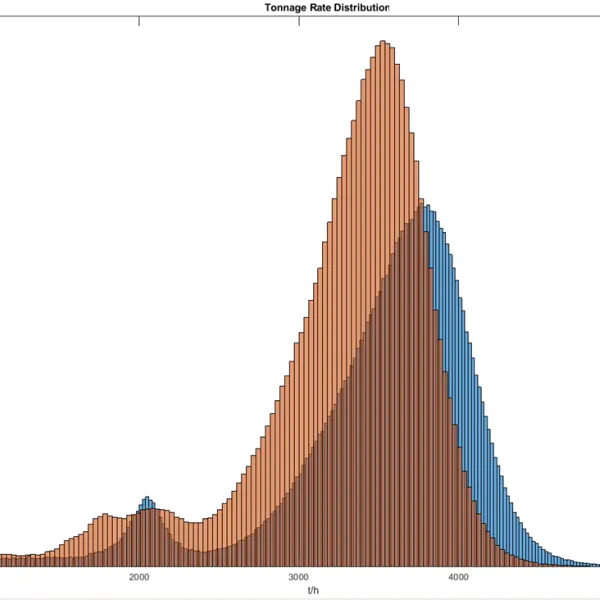
  • Control Performance Improvement: Tuning and improving stability/constraints using modelling and data-driven techniques, including self-optimising approaches where they’re justified.
  • Operational Data Enablement: Structuring tags, events and historian data so performance monitoring and AI-assisted diagnostics are practical and maintainable.

Our Approach

We focus on control systems that are practical to implement, maintain and expand. Whether the requirement is a new facility, an upgrade or a brownfield integration, we work to ensure the control solution aligns with the process, the plant and the operator environment.

  • Control system architecture development
  • Control philosophies and functional descriptions
  • Instrumentation and control design inputs
  • PLC, SCADA and HMI design support
  • Shutdown and interlock philosophy development
  • Commissioning and operational support

How we work

Strong automation outcomes depend on more than software alone. We coordinate across process, electrical, instrumentation and operations stakeholders so the final system reflects how the plant actually runs.
  • Clear definition of control intent
  • Reduced interface issues during delivery
  • Improved operability and maintainability
  • Scalable solutions for future expansion